Book your private ENT consultation in London today and receive tailored care designed for clarity, comfort, and long-term relief.
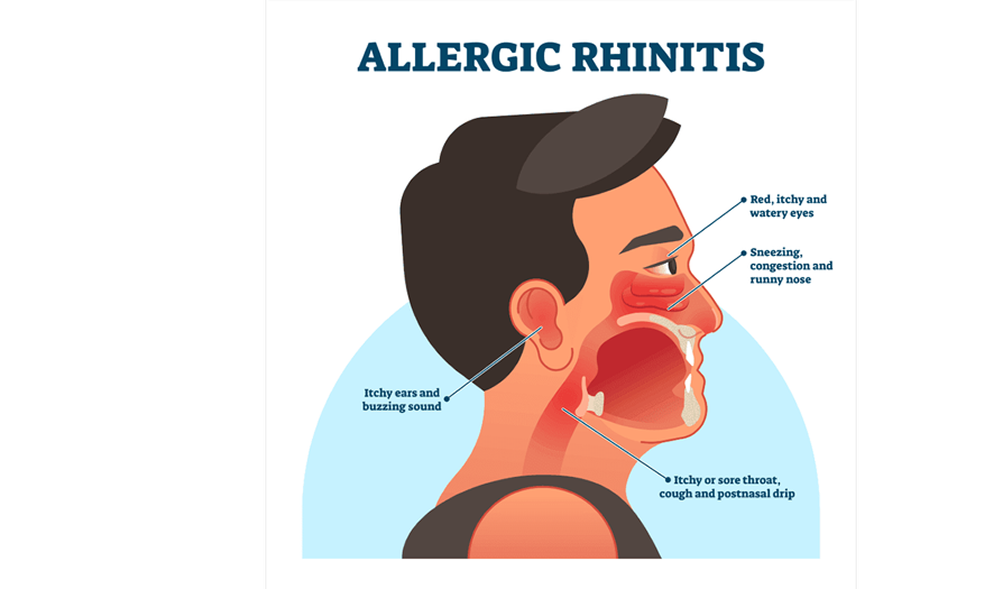
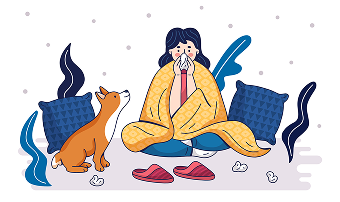
If you find yourself sneezing, sniffling, or reaching for tissues whenever the seasons change, allergic rhinitis could be to blame. It’s your body’s overreaction to harmless triggers like pollen, dust, or pet dander, leading to nasal inflammation and irritation.
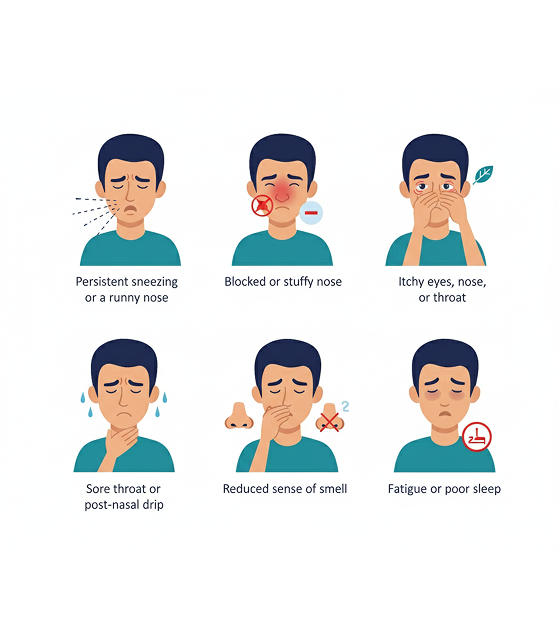
Typical symptoms include:
If these symptoms don’t settle, it’s worth seeking expert care for allergic rhinitis treatment so that you can breathe freely again.
Allergic rhinitis symptoms often flare up when your immune system reacts to everyday environmental triggers. Understanding what sets off your allergies is the first step towards long-term management and effective treatment.
These are tiny particles released by trees, grasses, and weeds especially in spring and summer. If your symptoms flare outdoors or on windy days, pollen is usually the culprit.
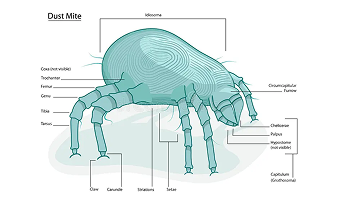
Microscopic creatures that thrive in bedding, carpets, and soft furnishings. They’re harmless, but your nose may strongly disagree.
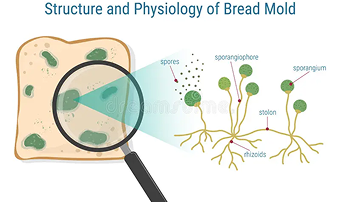
Found in damp, poorly ventilated areas like bathrooms or basements. These invisible airborne particles can irritate your nose long before you see any mould.
Minute flakes of skin and fur from cats, dogs, and other pets. Even the fluffiest family member can trigger symptoms if you’re sensitive.
Sudden temperature shifts or exposure to cold air can irritate the nasal lining. If your nose reacts before the weather app does, this may be your trigger.
Once I identify your specific triggers, I can tailor your allergic rhinitis treatment plan to minimise flare-ups and help you breathe more comfortably year-round.
Allergic rhinitis can range from mild irritation to constant congestion.
If you experience these symptoms regularly, it’s worth seeking assessment:
How Do You Know If It’s a Cold or Allergic Rhinitis?
Colds are short-lived and caused by viruses.
Allergic rhinitis lingers as long as you’re exposed to your trigger and can return seasonally or even year-round.
Diagnosis Process
Getting the right diagnosis is the first step toward long-lasting relief.
Here’s how I approach diagnosis at my London and Bushey clinics:
I’ll discuss your symptoms, triggers, and lifestyle factors to build a clear picture of your allergy pattern.
Using gentle, precise techniques, I examine the nasal passages and may recommend allergy testing for clarity.
I’ll create a tailored plan for your chronic allergic rhinitis management, addressing both symptoms and root causes.
Once I identify your specific triggers, I can tailor your allergic rhinitis treatment plan to minimise flare-ups and help you breathe more comfortably year-round.
Allergic rhinitis treatment is most effective when it’s tailored to your unique triggers and symptom severity.
My goal is not just to ease your discomfort, but to help you breathe clearly and feel in control again.
Antihistamines, nasal corticosteroid sprays, and decongestants can help reduce inflammation, control sneezing, and unblock the nose for day-to-day relief.
Through testing and discussion, I identify your main triggers and create a practical plan to minimise exposure, whether it’s dust, pollen, or pet dander.
For long-term management, allergy shots or drops gradually desensitise your immune system, helping it respond more calmly to allergens over time.
When nasal polyps or sinus problems contribute to symptoms, advanced ENT procedures can restore natural airflow and lasting comfort.
When allergies affect your daily comfort, you deserve care that looks beyond quick fixes.
As a Consultant ENT Surgeon, Nose and Sinus Disease Specialist, I focus on uncovering the root cause of your symptoms, not just relieving them temporarily. Each treatment plan is tailored to your needs, combining advanced diagnostics with evidence-based therapies for lasting results.
Whether your allergies are mild or persistent, my goal is to help you breathe clearly, sleep better, and enjoy life without constant discomfort.
Every patient’s story is unique, and it’s a privilege to be part of your journey toward better breathing and comfort. The trust my patients place in me is something I value deeply, and I aim to honour it through clear communication, careful diagnosis, and genuine care.
Professional, calm, and incredibly thorough. My allergy symptoms have improved beyond expectation.
After years of springtime misery, Dr Acharya helped me finally manage my allergies. I can breathe clearly for the first time in years.
If you’re navigating constant sneezing, congestion, or itchy eyes, here are some of the most common questions patients ask about allergic rhinitis and my answers to help you breathe easier.
What is the best treatment for allergic rhinitis?
Recovery after blocked nose treatment usually takes a few days to two weeks, depending on the method used. Minimally invasive procedures have minimal downtime, while surgical treatments such as septoplasty may require short rest before returning to normal activity.
If you are still unsure which option is right for you, then book an appointment with me to understand your treatment better.
How long does treatment take to work?
Recovery after blocked nose treatment usually takes a few days to two weeks, depending on the method used. Minimally invasive procedures have minimal downtime, while surgical treatments such as septoplasty may require short rest before returning to normal activity.
If you are still unsure which option is right for you, then book an appointment with me to understand your treatment better.
Can allergic rhinitis be completely cured?
Recovery after blocked nose treatment usually takes a few days to two weeks, depending on the method used. Minimally invasive procedures have minimal downtime, while surgical treatments such as septoplasty may require short rest before returning to normal activity.
If you are still unsure which option is right for you, then book an appointment with me to understand your treatment better.
Does treating allergic rhinitis help with asthma?
Recovery after blocked nose treatment usually takes a few days to two weeks, depending on the method used. Minimally invasive procedures have minimal downtime, while surgical treatments such as septoplasty may require short rest before returning to normal activity.
If you are still unsure which option is right for you, then book an appointment with me to understand your treatment better.
What triggers allergic rhinitis, and how can I avoid them?
Recovery after blocked nose treatment usually takes a few days to two weeks, depending on the method used. Minimally invasive procedures have minimal downtime, while surgical treatments such as septoplasty may require short rest before returning to normal activity.
If you are still unsure which option is right for you, then book an appointment with me to understand your treatment better.
FAQ’s
If you’re navigating constant sneezing, congestion, or itchy eyes, here are some of the most common questions patients ask about allergic rhinitis and my answers to help you breathe easier.
Every patient is unique. I take time to listen first, explain clearly, and plan treatment that fits both your lifestyle and your medical needs. My care is guided by precision, safety, and respect.
What is the best treatment for allergic rhinitis?
Recovery after blocked nose treatment usually takes a few days to two weeks, depending on the method used. Minimally invasive procedures have minimal downtime, while surgical treatments such as septoplasty may require short rest before returning to normal activity.
If you are still unsure which option is right for you, then book an appointment with me to understand your treatment better.
How long does treatment take to work?
Recovery after blocked nose treatment usually takes a few days to two weeks, depending on the method used. Minimally invasive procedures have minimal downtime, while surgical treatments such as septoplasty may require short rest before returning to normal activity.
If you are still unsure which option is right for you, then book an appointment with me to understand your treatment better.
Can allergic rhinitis be completely cured?
Recovery after blocked nose treatment usually takes a few days to two weeks, depending on the method used. Minimally invasive procedures have minimal downtime, while surgical treatments such as septoplasty may require short rest before returning to normal activity.
If you are still unsure which option is right for you, then book an appointment with me to understand your treatment better.
Does treating allergic rhinitis help with asthma?
Recovery after blocked nose treatment usually takes a few days to two weeks, depending on the method used. Minimally invasive procedures have minimal downtime, while surgical treatments such as septoplasty may require short rest before returning to normal activity.
If you are still unsure which option is right for you, then book an appointment with me to understand your treatment better.
What triggers allergic rhinitis, and how can I avoid them?
Recovery after blocked nose treatment usually takes a few days to two weeks, depending on the method used. Minimally invasive procedures have minimal downtime, while surgical treatments such as septoplasty may require short rest before returning to normal activity.
If you are still unsure which option is right for you, then book an appointment with me to understand your treatment better.
Book your private ENT consultation in London today and receive tailored care designed for clarity, comfort, and long-term relief.
Whether you’re insured or self-funding, accessing private ENT care should feel simple and stress-free. I’m recognised by all leading UK insurers, and my team is always happy to guide you through your options before booking.


150 Harley Street, Marylebone, London
North London/Hertfordshire: Spire Bushey, Heathbourne Road, Bushey (Friday All Day and Ad Hoc)
Make your appointment through online now.
Sunday: 08:00 AM - 10:00 PM
Monday - Friday: 06:00 AM - 12:00 AM