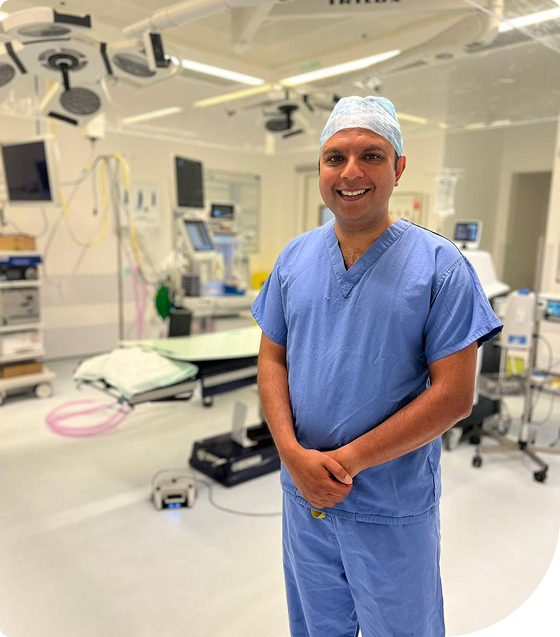
Endoscopic Sinus Surgery (FESS) – Minimally Invasive Relief

Breathe easier with a precise, minimally invasive procedure designed to open blocked sinuses, restore natural drainage, and reduce infections for the long term.

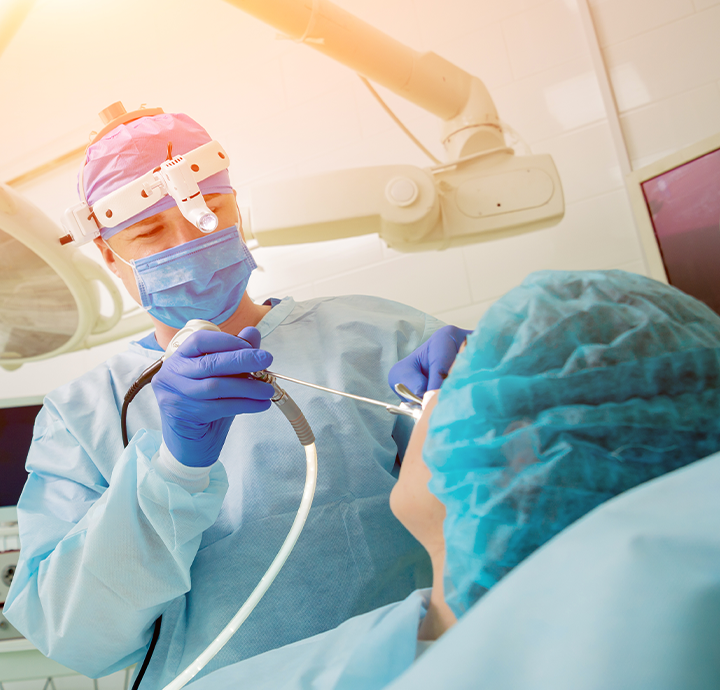
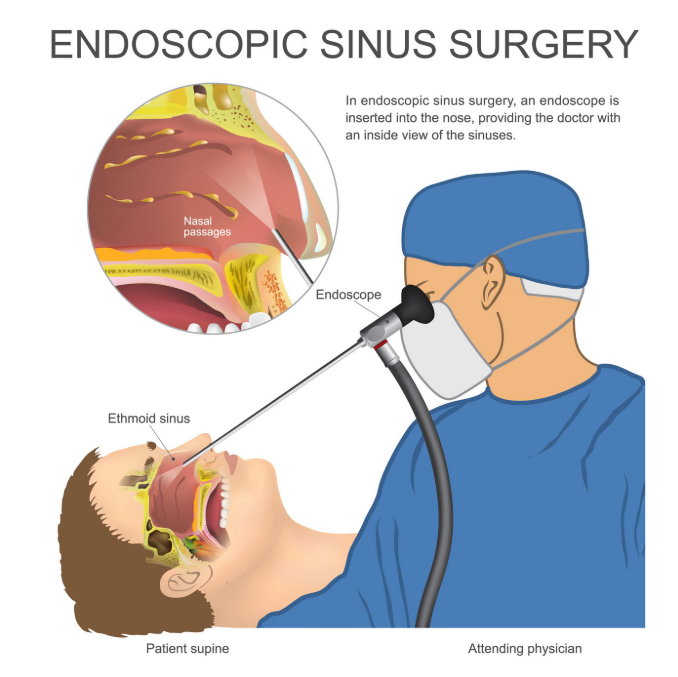
Functional endoscopic sinus surgery (FESS) is a minimally invasive procedure used to remove blockages deep within the sinus passages. Using a thin endoscope and precision-guided instruments, this surgery restores natural drainage, improves airflow, and prevents mucus build-up, all without needing external cuts.

This treatment is commonly recommended for patients with chronic sinusitis, nasal polyps, or recurrent sinus infections that do not respond to medication.

Benefits of Endoscopic Sinus Surgery

Treatment Options

Why Might You Need This Treatment?

Functional endoscopic sinus surgery is typically recommended when sinus problems persist despite medication or keep returning. 

You may benefit from this treatment if you have:

Ongoing inflammation can block the natural drainage pathways, causing persistent congestion, pressure, and discomfort.

If infections keep coming back, it may be due to a structural problem that is preventing the sinuses from clearing properly.

Polyps can grow large enough to block breathing, cause loss of smell, and increase the risk of infection unless removed.

These changes can narrow the nasal passages, worsen congestion, and contribute to long-standing sinus symptoms.

  • Restoring open, healthy sinus pathways often improves your ability to smell again.

With FESS, you can experience easier breathing, fewer infections, a better sense of smell, and meaningful relief from facial pressure and pain.

Preparing for Endoscopic Sinus Surgery

Good preparation helps your surgery go smoothly and makes recovery far more comfortable. Think of it as setting the stage so your sinuses and your surgeon can do their best work.

Before your procedure, please make sure to:

Review your medications and allergies with the team

This ensures everything I use is safe and suitable for you.

Follow any fasting instructions carefully

If you’re having sedation or general anaesthesia, avoiding food and drink beforehand is essential, not just a test of willpower.

Avoid smoking and alcohol for 24–48 hours

Your nose will thank you (and so will your recovery).

Arrange a safe lift home

You’ll feel a little woozy afterward, so this isn’t the day to prove your independence

Let us know if you take blood thinners

Medicines like aspirin, warfarin, or clopidogrel may need adjustment before surgery.

Ask if you’re unsure about anything

There are no silly questions except the unasked ones.

If you’re uncertain about any step, get in touch for personalised pre-surgery guidance.

Diagnosis & Treatment Process

The Treatment Process

Your treatment journey is designed to be clear, calm, and completely centred around your comfort. 

Here’s what you can expect at each stage: no surprises, no jargon, just straightforward care.

Consultation & Diagnosis

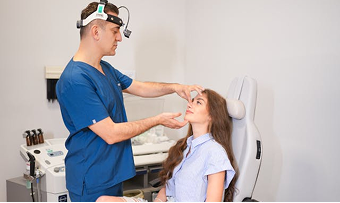
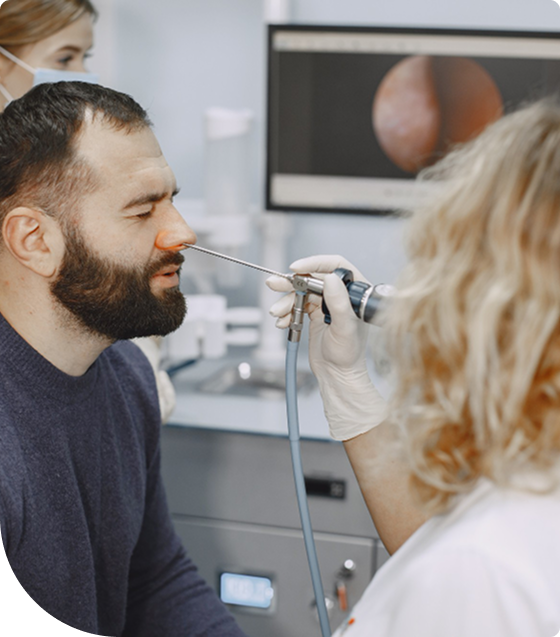
I begin with a detailed discussion about your symptoms, followed by a nasal endoscopy and, if needed, a CT scan. This allows me to understand exactly what’s causing your sinus issues, not guesswork, but clear visual evidence.

Personalised Treatment Planning

Once I know what’s going on, I’ll talk you through your options. If FESS is the right choice, I’ll explain why, what it involves, and what outcome you can expect. 

The goal is simple: a plan that makes sense and feels right for you.

Surgery & Immediate Recovery

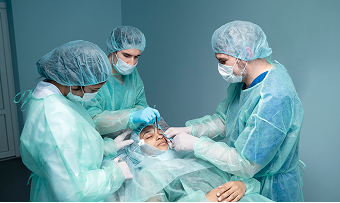
Your procedure is minimally invasive and usually completed as a day case. Using a tiny endoscope, I clear blocked pathways without any external cuts. You’ll rest in recovery afterward, and no, you won’t remember the operating theatre playlist.

Follow-Up & Long-Term Care

Healing continues at home, and I make sure you’re fully supported throughout. Follow-up visits, nasal rinses, and supportive medication form part of a tailored plan to keep your sinuses healthy long after surgery. My aim is not just to fix the problem, but to help prevent it from returning.

Diagnosis Process

Recovery & What to Expect

Every recovery is slightly different, but most patients find the healing process straightforward with the right guidance. 

Here’s what you can expect in the days and weeks after your endoscopic sinus surgery.

Hospital stay

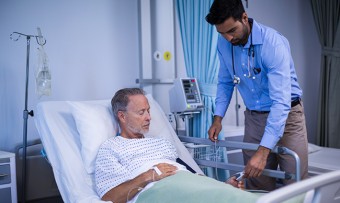
Most patients go home the same day; occasionally, an overnight stay is recommended.

Nasal congestion is normal

 Your nose may feel blocked or “full” for a few days; this is part of the healing process.

Mild bleeding

Light spotting is common in the first 24–48 hours.

No nose blowing for around 7 days

It helps protect delicate healing tissues (yes, it’s tempting, but resist).

Saline rinses are essential

Gentle rinsing keeps the nose clean and supports smooth healing.

Gradual return to normal activities

Light activities can resume quickly, but full recovery may take several weeks to a few months.

You’ll receive clear guidance at every stage, and my team is always here if anything doesn’t feel quite right.

When Should I Call My Healthcare Provider

Most patients recover without any issues, but it’s important to know what signs need attention. Please contact us if you experience:

  • If you notice any of these, contact my clinic immediately, as prompt guidance can make all the difference to a smooth recovery.

What to Avoid After Endoscopic Sinus Surgery

The first few weeks are crucial for smooth healing, and a few simple habits can make all the difference.

Avoid These

Do This Instead

Avoid These Do This Instead
Heavy lifting or any strenuous workouts Keep yourself well hydrated throughout the day
Blowing your nose or forceful sneezing Use saline sprays or rinses as recommended
Hot, steamy showers that may trigger bleeding Take your prescribed post-operative medications on time
Smoking or exposure to smoke Attend all scheduled follow-up appointments

Want more clarity on post-surgery do’s and don’ts? View the full guide

Endoscopic Sinus Surgery: Risks & Complications

Endoscopic sinus surgery is considered very safe, especially in specialist hands. Still, like any medical procedure, there are some risks to be aware of so you know exactly what to expect.

Common, Usually Mild Risks:

Rare but More Serious Risks:

Most patients recover smoothly and experience significant symptom relief, but being informed helps you feel confident and prepared.

Have questions? I’m here to help you feel confident about every part of your care.

Why Choose Mr Vikas Acharya

When it comes to endoscopic sinus surgery, you want experience, precision, and care that feels genuinely personal. That’s exactly what I aim to deliver; with a calm, clear approach (and the occasional smile) to help you feel at ease.

What Sets My Care Apart

As a Consultant ENT Surgeon focusing on nose and sinus disease, I have extensive experience treating even complex sinus conditions.

My training includes specialist rhinology and sinus surgery fellowships, ensuring your care is based on the latest techniques.

From diagnosis to recovery, your treatment plan is designed around your symptoms, lifestyle, and goals; no generic templates.

I explain every step without the jargon, so you always know what’s happening and why.


If you’re looking for sinus care that’s expert, approachable, and truly personalised, you’re welcome to get in touch. My team and I are here to help.

Testimonials

What Patients Say

Real experiences often say more than any medical explanation. Here are a few words from patients who’ve trusted me with their sinus care:

👃 The nose knows… that life smells better when you finally start breathing easy again.

FAQ’s

Frequently Asked Questions About Sinusitis Treatment

If you’re considering sinus treatment, it’s natural to have a few questions. 

Here are some questions I’m often asked by my patients, answered as clearly as possible.

Recovery after FESS usually takes 1–2 weeks, although full internal healing may take several months. Regular saline rinses and scheduled follow-up care support faster healing and reduce inflammation.

No. Endoscopic sinus surgery leaves no external scars because the procedure is performed entirely through the nostrils. This technique makes FESS a preferred minimally invasive option.

Sinus surgery removes existing nasal polyps, but cannot guarantee they won’t return. Ongoing medication and regular monitoring significantly reduce recurrence and help maintain clear sinus passages.

Endoscopic sinus surgery is not usually painful. Most patients feel mild pressure or congestion, which improves within a few days with proper aftercare and prescribed medication.

FESS provides long-lasting relief by correcting sinus blockage, but conditions like allergies or nasal polyps may need ongoing management. Regular care keeps symptoms under control and prevents flare-ups.

Book Appointment

Ready to Breathe Better?

Awesome Image

Book your private ENT consultation in London today and receive tailored care designed for clarity, comfort, and long-term relief.
    WORKED WITH

    Recognised by Major Insurers

    Whether you’re insured or self-funding, accessing private ENT care should feel simple and stress-free. I’m recognised by all leading UK insurers, and my team is always happy to guide you through your options before booking.