Book your private ENT consultation in London today and receive tailored care designed for clarity, comfort, and long-term relief.
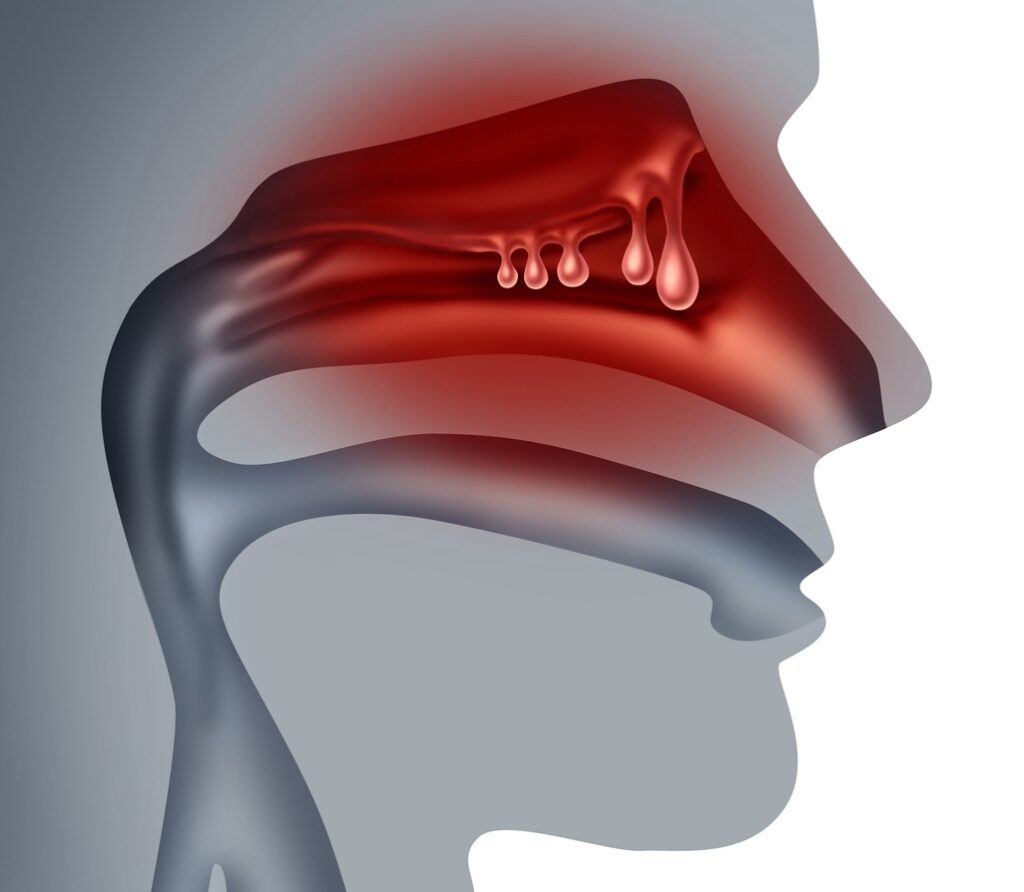
A gentle, minimally invasive procedure I use to remove nasal polyps and help you breathe clearly again, safely.
Nasal polyps are soft, painless growths that form inside the nose or sinus passages. They’re not dangerous, but they can make everyday breathing feel like a challenge, especially when they block airflow, dull your sense of smell, or cause recurring infections.
I always start with medical treatment, but sometimes polyps are simply too large or too persistent for sprays and tablets alone. That’s when surgery becomes a safe, effective option.
Common reasons patients consider surgery:
Nasal polyps don’t always need surgery; many people improve with medications, rinses, or steroid sprays. But when your symptoms keep returning, or you feel like you’re permanently breathing through a blocked tunnel, it may be time to consider a surgical option.
I usually recommend surgery when polyps are large, multiple, or simply not responding to medical treatment, and they’re starting to interfere with your daily comfort and sleep.
Surgery may be the right option if you have:
Not sure whether you need surgery?
Book your consultation and I’ll assess everything thoroughly, so you know exactly what’s right for you!
When surgery is the right choice, my priority is to make the experience as gentle, precise, and stress-free as possible. Nasal polyp removal today is far more advanced than most people imagine; no cuts on the outside of the nose, no stitches you can see, and no bandages wrapped around your head like an old cartoon.
I use modern endoscopic techniques, which means everything is done through the nostrils with the help of a tiny high-definition camera.
My approach is:
Every procedure is consultant-led from start to finish, and your treatment plan is tailored to your symptoms, anatomy, and lifestyle.
Ready to breathe comfortably again?
Book your consultation and get specialist-led care from start to finish!
From your first visit to full recovery, I keep the process clear, calm, and predictable. Here’s how things usually unfold:
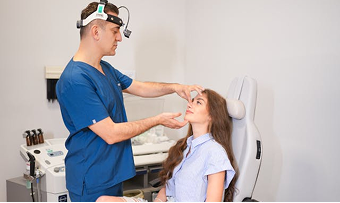
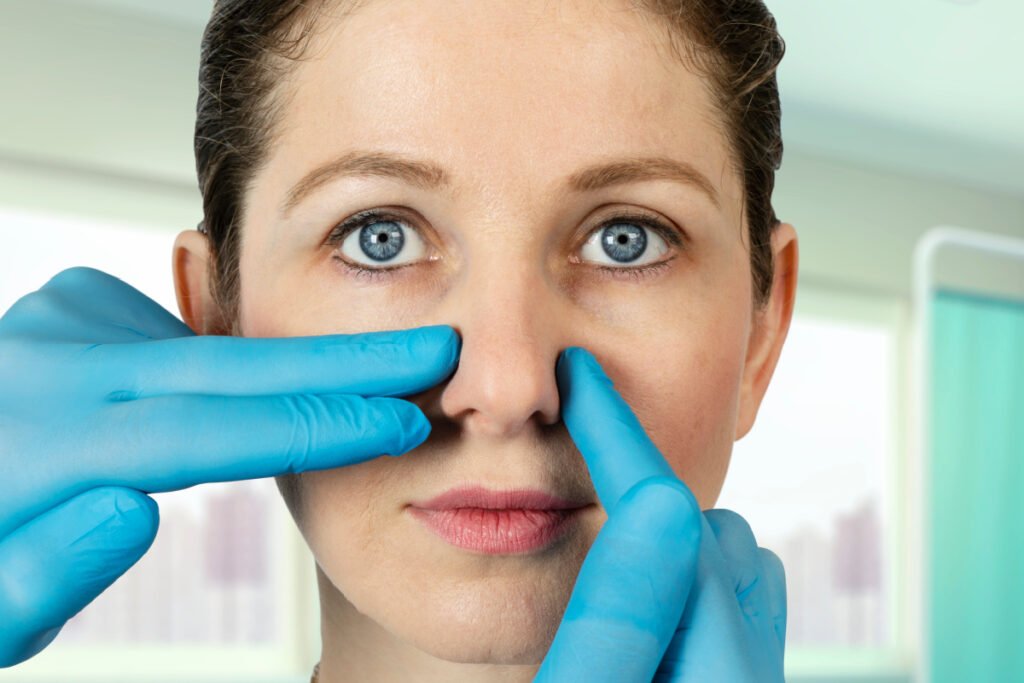
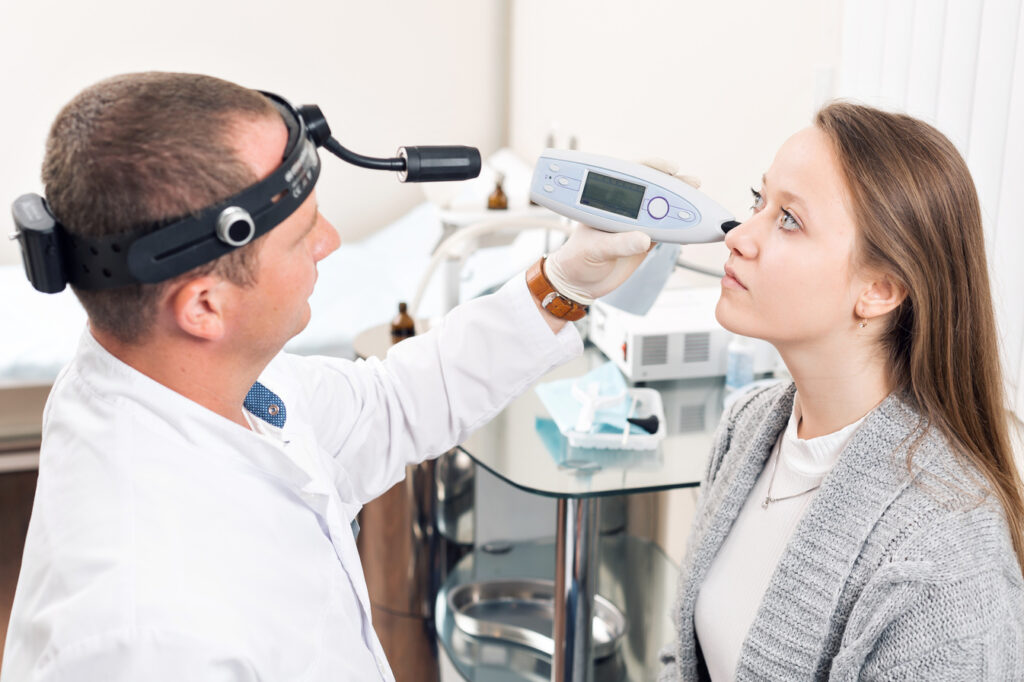
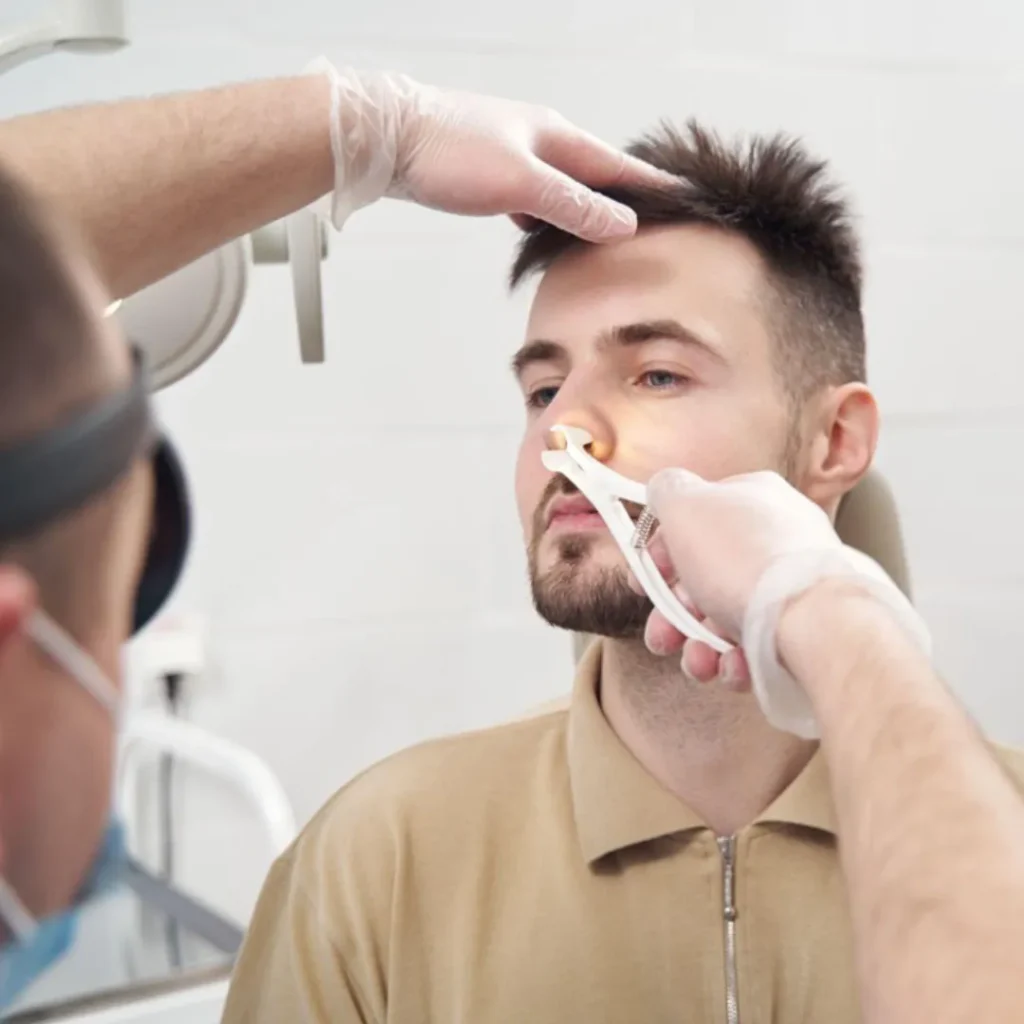
I start with a detailed discussion about your symptoms, followed by a gentle nasal endoscopy. If needed, I’ll arrange a CT scan to get a complete picture of what’s causing the blockage.
Once we know what’s going on, I’ll talk you through every option: medication, surgery, or a combined approach, and help you choose the plan that suits your symptoms, lifestyle, and comfort level.
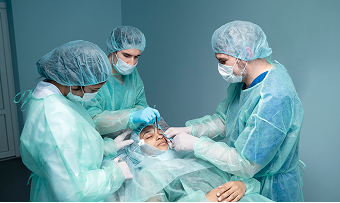
If surgery is the right choice, it’s done under general anaesthetic using advanced endoscopic techniques. The procedure is minimally invasive, in fact, many patients say the build-up in their mind was far scarier than the actual treatment. You can also go home later the same day once you are comfortable.
You’ll receive clear, easy-to-follow aftercare instructions, and I’ll review you at scheduled follow-ups to ensure your healing is smooth, your breathing improves as expected, and any concerns are addressed promptly.
Here’s what my patients often experience after treatment:
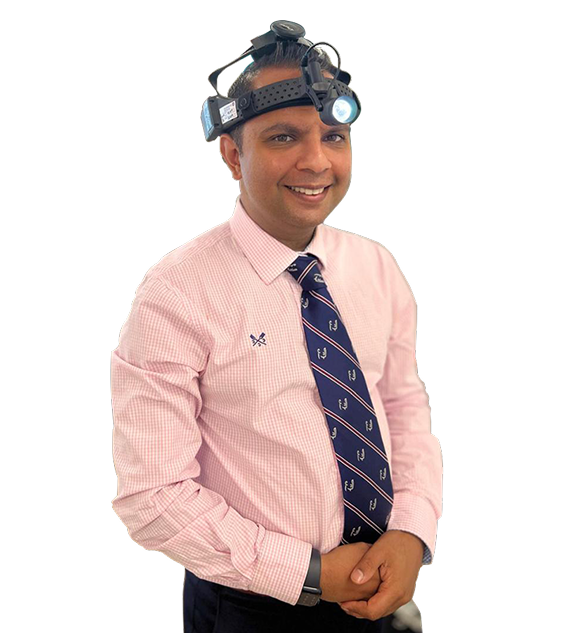
Your care is in specialist hands from start to finish. I personally carry out every assessment, procedure, and follow-up, with a focus on sinus and nasal conditions.
Your recovery plan is designed around your symptoms, routines, and needs, with convenient follow-up appointments available in both London and Bushey. Most patients are back to gentle activities quickly, though it’s still an excellent excuse to avoid heavy lifting or rearranging furniture for a few days.
Using minimally invasive endoscopic techniques supports faster healing, fewer complications, and a much lower chance of polyps returning.
If nasal polyps are starting to limit your day-to-day comfort, it may be time to explore whether polyps in nasal cavity surgery is the right option. During your consultation, I’ll take a close look at what’s causing the symptoms and guide you through the safest, most effective plan.
You may be a suitable candidate if you’re experiencing:
A detailed assessment helps us decide together whether surgery will genuinely benefit you and ensures you receive the treatment that best fits your needs.
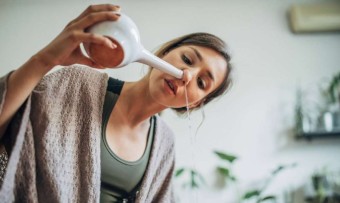
After nasal polyp surgery, most of you can experience a few days of mild congestion, pressure, or a “blocked nose” feeling; this is completely normal. Gentle saline rinses and taking it easy help the healing process. As swelling settles, breathing becomes clearer, sleep improves, and many people notice their sense of smell gradually returning.
Here are the key steps I usually recommend in the early recovery period:
to keep the nose clean and support smooth healing
to prevent irritation or bleeding
Your nose will thank you (and so will your recovery).
As part of your care, I’ll guide you through each stage of recovery, so you always know what to expect and when to reach out.
Real experiences often say more than any medical explanation. Here are a few words from patients who’ve trusted me with their sinus care:
I noticed the improvement almost immediately. No more constant congestion, and I can smell things properly again. Truly life-changing.
The whole experience was smooth from start to finish. I appreciated how kind and patient he was, especially when I had a hundred questions!
I felt listened to from the very first appointment. The surgery was smooth, recovery was quicker than expected, and I can finally breathe properly again.
If you’re considering sinus treatment, it’s natural to have a few questions.
Here are some questions I’m often asked by my patients, answered as clearly as possible.
Can you see nasal polyps by looking up your nose?
Small nasal polyps are difficult to see on your own, while larger polyps may be visible. A proper diagnosis requires nasal endoscopy, which provides a clear view of the sinus passages.
Can nasal polyps get dislodged?
No, nasal polyps do not fall out on their own. They remain attached to the nasal lining but may grow or shrink with inflammation. Sudden worsening of blockage should be reviewed to rule out infection or swelling.
How should I prepare for the procedure?
Be prepared for nasal polyp surgery by avoiding certain medications if advised, continuing prescribed nasal sprays, and arranging transport home
How soon can I expect to see improvement after surgery?
Most of you notice improved airflow within 1–2 weeks as swelling decreases. Smell often returns gradually, and full internal healing continues for several weeks, with progress checked at follow-up appointments.
How effective is nasal polypectomy in preventing recurrence?
Nasal polypectomy effectively clears airway blockage, and results last longest when combined with ongoing medical management. Treating inflammation, allergies, or sinus disease reduces the risk of polyps returning.
Book your private ENT consultation in London today and receive tailored care designed for clarity, comfort, and long-term relief.
WORKED WITH
Whether you’re insured or self-funding, accessing private ENT care should feel simple and stress-free. I’m recognised by all leading UK insurers, and my team is always happy to guide you through your options before booking.


Make your appointment through online now.
Sunday: 08:00 AM - 10:00 PM
Monday - Friday: 06:00 AM - 12:00 AM