Book your private ENT consultation in London today and receive tailored care designed for clarity, comfort, and long-term relief.
Comprehensive assessment and effective treatment for sudden, recurrent, or severe nosebleeds, led by an experienced ENT Surgeon, Nose and Sinus Disease Specialist.
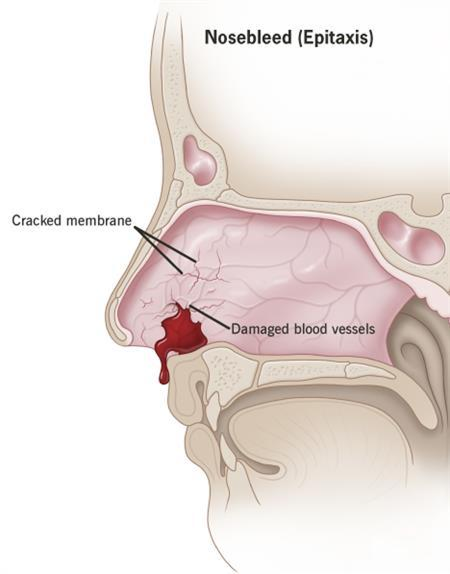
Nosebleeds, or epistaxis, occur when tiny blood vessels in the nose rupture and begin bleeding. Most episodes come from the front part of the nose (anterior nosebleeds); these are common, usually mild, and often stop on their own.
Less commonly, bleeding can come from deeper vessels at the back of the nose (posterior nosebleeds). These tend to be heavier and may require specialist care.
While the occasional nosebleed is nothing to worry about, frequent, heavy, or long-lasting episodes can signal dryness, inflammation, allergies, blood pressure changes, or other underlying issues. That’s when an ENT assessment becomes important.
If you’d like to learn more about related concerns, you can also explore my page on sinus and nasal conditions.
Nosebleeds can start for many simple reasons, but understanding the why helps prevent them from returning.
Here are some of the most common triggers I see in my clinic:
Central heating, cold weather, or frequent nose-blowing can dry the lining and make vessels more likely to bleed.
Even light scratching inside the nose or accidental bumps can injure delicate blood vessels.
Swelling inside the nose makes vessels fragile and more prone to bleeding.
Raised blood pressure can worsen or prolong nose bleeding.
Drugs such as warfarin, aspirin, and some antiplatelet agents can make bleeding harder to control.
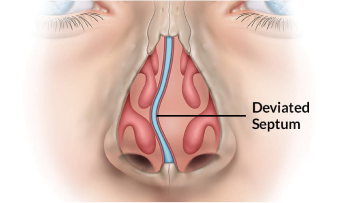
A deviated septum or small growths (like nasal polyps) can cause dryness, obstruction, and recurrent bleeding.
Conditions like HHT or nasal tumours are rare but can lead to persistent or heavy nosebleeds that need specialist attention.
Frequent or heavy nosebleeds deserve specialist attention.
Most nosebleeds settle quickly on their own, but some deserve closer medical attention.
You should consider an ENT assessment if you experience:
As a Consultant ENT Surgeon, Nose and Sinus Disease Specialist, and with extensive experience managing simple and complex nasal bleeding, I focus on finding the exact source of the problem, not just treating the symptom.
My approach combines:
Whether your nosebleeds are occasional or severe, you’ll receive calm, clear guidance and a treatment pathway that puts your safety and comfort first.
Nosebleed management is most effective when the cause is identified early.
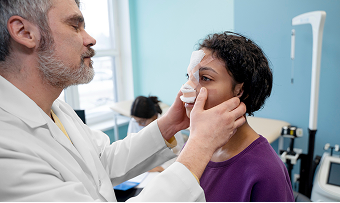
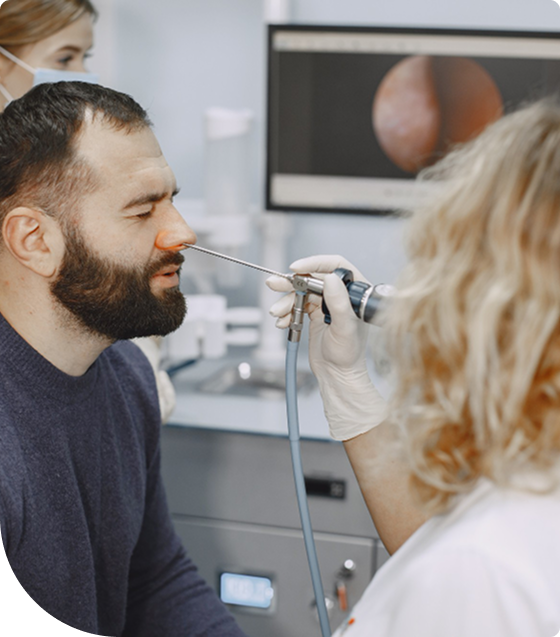
A gentle, in-depth nasal assessment to locate the bleeding point and understand contributing factors.
This may include topical creams, moisturising gels, or nasal sprays to settle inflamed or fragile vessels.
Used when bleeding is active or persistent. Carefully applied to seal the vessel and stabilise the nose.
For cases where bleeding continues despite standard treatment, I use minimally invasive endoscopic techniques to safely control deeper or hidden vessels.
Ongoing guidance on nasal care, moisturisation, medication use, and lifestyle adjustments to prevent recurrence.
This structured approach allows for both immediate control of bleeding and sustainable long-term management.
When a nosebleed is heavy, persistent, or won’t settle, it can feel alarming, but the right specialist care makes all the difference. I provide reliable, hospital-level treatment designed to stop bleeding safely and identify the exact cause behind it.
A precise, minimally invasive approach to stop active bleeding quickly.
Used only when appropriate, to stabilise the nose and allow healing
Performed under local or general anaesthetic depending on comfort and severity.
To reduce the chance of repeat episodes and support long-term nasal health.
I aim to make an urgent situation feel manageable, with calm, focused care that restores your confidence and comfort as quickly as possible.
If you’re dealing with a severe or persistent nosebleed
Hereditary Haemorrhagic Telangiectasia (HHT) is a genetic condition that makes the small blood vessels inside the nose unusually fragile. Because of this, many people with HHT experience nosebleeds that are frequent, heavy, or difficult to control.
With targeted ENT care, these nosebleeds can be managed effectively.
Using nasal laser therapy or endoscopic coagulation to seal delicate areas safely and reduce further bleeding.
Working closely with haematology teams when needed to prevent anaemia and support long-term wellbeing.
Tailored nasal hydration routines to protect the lining of your nose and reduce the risk of cracking or re-bleeding.
Early, specialist ENT treatment can significantly reduce bleeding episodes and improve comfort in day-to-day life.
Living with HHT nosebleeds doesn’t have to be overwhelming. Get personalised, specialist care. Book your consultation today.
Small daily habits can make a big difference in reducing how often nosebleeds occur.
Here are some simple, effective strategies:
Regular use of saline sprays or a gentle moisturising ointment helps prevent dryness and cracking inside the nose.
Blowing too hard can irritate or reopen fragile blood vessels. Gentle clearing is usually enough.
Managing conditions like allergic rhinitis or sinusitis reduces irritation inside the nose and lowers the chance of bleeding.
Sudden spikes in blood pressure can make nosebleeds more likely, especially in older adults.
Aspirin and similar medications can thin the blood and worsen bleeding. Only use them if your doctor advises.
A personalised prevention plan can be created during your consultation to help you reduce nosebleeds and protect the lining of your nose long-term.
Hearing directly from patients offers the best insight into what you can expect from your care. I’m grateful for the trust so many people place in me, and their experiences reflect the calm, clear, and personalised approach I aim to provide.
What stood out was the calm, patient way he approaches care. I never felt rushed, and he genuinely listened to my concerns.
My nosebleeds had been troubling me for years. After just one visit, I finally understood the cause, and the treatment worked beautifully.
Mr Acharya was incredibly reassuring. He explained every step of my treatment and made the whole experience far less daunting
If you’re navigating constant sneezing, congestion, or itchy eyes, here are some of the most common questions patients ask about allergic rhinitis and my answers to help you breathe easier.
How can I stop a nosebleed at home?
You can stop a nosebleed at home by sitting upright, leaning slightly forward, and pinching the soft part of your nose for 10–15 minutes. Avoid leaning back. If the bleeding continues after this, seek medical advice.
When should I go to A&E for a nosebleed?
You should go to A&E if a nosebleed lasts more than 20 minutes, is very heavy, or follows a head injury. People taking blood thinners should seek urgent care if the bleeding does not stop.
Is cauterisation painful?
Cauterisation is not usually painful. Most of you can feel mild discomfort because the local anaesthetic numbs the nose, making the procedure quick and tolerable.
How long is recovery after cautery or surgery?
Recovery after nasal cautery or surgery usually takes 1–2 weeks. Patients are advised to moisturise the nose, avoid strenuous activity, and follow care instructions to support healing.
Are nosebleeds linked to sinus infections?
Yes, sinus infections can irritate the nasal lining and lead to nosebleeds. Treating the underlying sinus inflammation often reduces the frequency of bleeding.
To get more information you can also go through the Treatment of Sinusitis page here https://vikas.bitsandvolts.in/treatment-for-sinusitis/
Book your private ENT consultation in London today and receive tailored care designed for clarity, comfort, and long-term relief.

For general queries telephone on +1 555-7890-123. This is staffed Monday to Friday 9.00am – 5.00pm.

Whether you’re insured or self-funding, accessing private ENT care should feel simple and stress-free. I’m recognised by all leading UK insurers, and my team is always happy to guide you through your options before booking.


Make your appointment through online now.
Sunday: 08:00 AM - 10:00 PM
Monday - Friday: 06:00 AM - 12:00 AM