Book your private ENT consultation in London today and receive tailored care designed for clarity, comfort, and long-term relief.

Advanced ENT care designed to treat sinus inflammation triggered by dental infections.
Odontogenic sinus disease occurs when a dental infection spreads into the sinus, leading to inflammation, blockage, and persistent sinus symptoms. Unlike “regular sinusitis,” which usually starts from viral or allergy-based causes, odontogenic sinusitis begins in the teeth, especially the upper molars located close to the maxillary sinus.
This distinction is crucial because treatment must address both the sinus inflammation and its dental source for complete recovery.
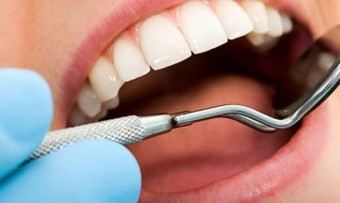
In many cases of odontogenic sinus disease, the source of the sinus problem begins in the teeth rather than the nose. When dental structures sit close to the maxillary sinus, even a small issue can lead to irritation, infection, or inflammation inside the sinus.
Below is a clear look at the dental conditions most commonly linked to odontogenic sinusitis.
Deep tooth infections that spread towards the sinus
|
Unsuccessful or incomplete root canal treatment |
Healing issues after a tooth extraction
Gum and bone infections (periodontal disease)
Dental implants placed close to the sinus lining cause irritation
Oro-antral fistula; a small opening between the mouth and sinus
Dental procedures that accidentally communicate with the sinus
Sinus lining inflammation following dental work
Dental procedures can sometimes lead to sinus symptoms when the sinus lining becomes irritated or unintentionally opened.
Thus, a coordinated ENT-dental approach is essential for accurate diagnosis and long-term relief from odontogenic sinus disease.
Odontogenic sinusitis following dental work often show up with clear, one-sided symptoms like:
congestion mainly on the side of the affected tooth or sinus.
heaviness or discomfort that worsens when bending forward.
a key sign of infection originating from a dental source.
mucus dripping down the back of the throat from the affected sinus.
sinus issues that flare up following root canals, implants, or extractions.
Don’t ignore your sinus symptoms that began after a tooth treatment. Book an Appointment with the specialist today.
Odontogenic sinus disease isn’t limited to adults; children can also experience sinus inflammation linked to emerging teeth or underlying dental infections. Because younger children may not describe their discomfort clearly, symptoms often appear as changes in behaviour, such as irritability, disturbed sleep, or ongoing nasal congestion on one side.
A combined assessment by an ENT specialist and a paediatric dentist helps uncover the exact cause and ensures your child receives the most accurate diagnosis.
With timely care and a coordinated approach, pediatric odontogenic sinusitis is highly manageable, and children typically recover very well.
Worried about your child’s persistent symptoms? Reach out to me for expert guidance!
A clear, structured diagnostic pathway is essential for accurately identifying odontogenic sinus disease and ensuring the right odontogenic sinusitis treatment from the start.
I follow a step-by-step approach designed to pinpoint both the sinus issue and its underlying dental cause.
A detailed discussion helps identify classic patterns of odontogenic sinusitis, including one-sided symptoms or issues that started after dental work.
A quick, in-clinic endoscopic examination allows me to assess sinus drainage, lining inflammation, and signs that suggest a dental origin.
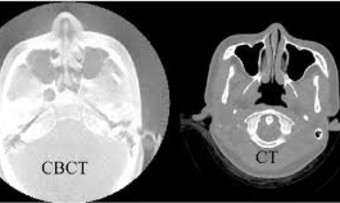
I use high-resolution imaging to confirm sinus blockage, detect dental-related inflammation, and support accurate odontogenic sinusitis diagnosis.
If a dental source is suspected, a focused dental review (often involving periapical areas, root canals, or implants) helps identify the exact trigger for the sinus disease.
A coordinated management plan ensures both the sinus and dental causes are addressed, vital for successful chronic odontogenic sinusitis treatment and preventing recurrence.
Thorough diagnosis ensures your treatment is precise and prevents unnecessary or repeated interventions!
Effective management of odontogenic sinus disease requires addressing both the sinus inflammation and the underlying dental trigger.
My approach ensures that every stage of your odontogenic sinusitis treatment is precise, minimally invasive, and tailored to your symptoms.
The first step focuses on calming inflammation and controlling infection to support natural healing.
It Includes:
These treatments help reduce swelling within the sinus and ease symptoms while preparing the area for further intervention if needed. They are often the first step in managing both recent and chronic odontogenic sinusitis.
Because odontogenic sinus disease originates from dental pathology, stabilising the underlying dental issue is essential for long-term success.
This may involve a coordinated plan with dental specialists to address infections, root complications, or sinus-lined irritation, without focusing on dental procedure names.
Resolving the dental source prevents recurring sinus infections and forms the backbone of lasting chronic odontogenic sinusitis treatment.
For cases where medical therapy isn’t enough or symptoms persist, odontogenic sinusitis surgery is recommended.
This minimally invasive endoscopic approach:
Why it’s used: Surgery is reserved for persistent or complex cases and is performed by me when conservative options are insufficient.
Each treatment pathway is selected based on your individual odontogenic sinusitis diagnosis, ensuring the most effective and targeted care.
When you’re dealing with a complex condition like odontogenic sinus disease, you deserve care that is precise, compassionate, and grounded in real expertise.
Here’s how I ensure you receive the highest standard of odontogenic sinusitis treatment, every step of the way:
I have years of focused experience treating sinusitis that originates from dental infections, complications, and structural issues, a niche area that requires highly specialised evaluation and treatment.
Because effective odontogenic sinusitis diagnosis depends on identifying both sinus and dental drivers, I work closely with trusted dental colleagues to ensure nothing is overlooked.
Whether you need medical therapy or odontogenic sinusitis surgery, my goal is always the same: the least intervention necessary for the best outcome, delivered with your comfort and confidence in mind.
My personalised pathways, from stabilising dental sources to delivering advanced chronic odontogenic sinusitis treatment, help patients return to comfortable, symptom-free breathing with excellent long-term results.
You can access specialist care close to home, with modern facilities and comprehensive support.
If you’re looking for an ENT specialist who combines medical precision with a calm, reassuring approach, I’m here to guide you through every step of your recovery.
Hearing directly from patients often provides the reassurance you need when deciding whom to trust with your care. I’m grateful to have supported many individuals and families through complex sinus and dental-related conditions, including odontogenic sinus disease, and their words speak for themselves.
My son struggled with recurring infections after a tooth issue. Mr Acharya coordinated with our dentist, and the recovery was smoother than we expected
I was anxious about needing sinus surgery, but Mr Acharya explained everything clearly and reassured me at every step. My breathing has completely improved.
I had persistent one-sided sinus issues for months after dental treatment. Mr Acharya diagnosed the problem within minutes and explained everything so clearly. The treatment plan was simple, effective, and I finally feel like myself again.
If you’re navigating constant sneezing, congestion, or itchy eyes, here are some of the most common questions patients ask about allergic rhinitis and my answers to help you breathe easier.
What makes odontogenic sinusitis different from regular sinusitis?
he main difference between odontogenic sinusitis and regular sinusitis is the source of infection. Odontogenic sinusitis comes from a dental issue such as an infected tooth or failed root canal, while regular sinusitis starts from nasal or sinus inflammation.
If you’re unsure which type of sinusitis you are suffering from, you can book a consultation with me for an accurate assessment.
Can antibiotics alone cure odontogenic sinusitis?
No, antibiotics alone cannot cure odontogenic sinusitis. They may reduce symptoms temporarily, but long-term relief requires treating the underlying dental source.
Will I need surgery for odontogenic sinusitis?
Not always. Many patients recover with medical therapy and dental treatment. Surgery, usually endoscopic sinus surgery, is recommended only when symptoms persist or sinus blockage remains despite proper management.
How soon will I feel better after treatment?
Most patients improve within 1–2 weeks of starting correct treatment for odontogenic sinusitis. Full recovery may take longer depending on infection severity and the need for dental intervention.
Is dental treatment always required for odontogenic sinusitis?
Yes, when sinusitis originates from a tooth, dental treatment is essential to prevent recurrence and ensure full healing. ENT and dental specialists coordinate care to resolve both sources of inflammation.
What diagnostic tests are needed?
Odontogenic sinusitis diagnosis typically requires nasal endoscopy and CT or CBCT imaging. These tests confirm whether a dental source is affecting the sinus and guide a personalised treatment plan.
Book your private ENT consultation in London today and receive tailored care designed for clarity, comfort, and long-term relief.

For general queries telephone on +1 555-7890-123. This is staffed Monday to Friday 9.00am – 5.00pm.

Whether you’re insured or self-funding, accessing private ENT care should feel simple and stress-free. I’m recognised by all leading UK insurers, and my team is always happy to guide you through your options before booking.


Make your appointment through online now.
Sunday: 08:00 AM - 10:00 PM
Monday - Friday: 06:00 AM - 12:00 AM