Specialist Treatment for Smell & Taste Disorders

Rediscover your sense of smell and taste with expert ENT care.

Connection Between Smell & Taste Disorders

Smell and taste are deeply connected; they work together to create the flavours we recognise and enjoy. When you eat, the nose’s olfactory receptors send signals to the brain alongside the taste buds on your tongue. Together, they shape the full experience of flavour.

If the nasal passages are blocked or the sense of smell is reduced, the brain receives fewer scent signals, making food seem dull, different, or flavourless.

These changes are common and often temporary. With expert assessment and the right treatment, many of you can easily regain normal smell and taste function, restoring both enjoyment and confidence in daily life.

Possible Causes

Causes of Smell Disorders

There are many possible causes of smell and taste disorders: from common nasal conditions to more complex neurological factors. 
Identifying the underlying cause is key to finding the right treatment and restoring normal function.

Viral infections

Such as colds, flu, or COVID-19, which can temporarily affect the nasal lining.
    

Nasal and sinus conditions

It includes sinusitis, nasal polyps, or persistent allergies that block airflow.
  

Head injury or trauma

It can disrupt the nerves responsible for smell and taste.


Exposure to toxins or irritants

Long-term exposure to smoke, chemicals, or pollutants can also contribute to smell disorders.

Neurological conditions

Such as Parkinson’s disease or other disorders affecting nerve pathways.


Ageing and medications

Natural ageing or certain drugs may reduce smell sensitivity over time.

Diagnosis & Treatment Process

How We Diagnose & Treat Smell Disorders

Every diagnosis begins with attentive listening and a thorough assessment. Using a structured approach, I identify the root cause of your smell or taste disturbance and design a treatment plan for your smell disorder treatment that supports long-term recovery.

Consultation & Examination

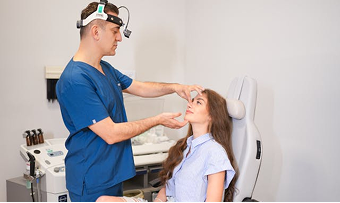
A detailed discussion of your symptoms, medical history, and ENT examination to understand the underlying issue..     

Advanced Diagnosis

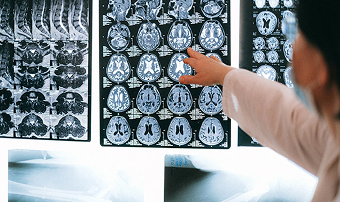
I will be using nasal endoscopy, smell identification tests, and imaging (if required) to pinpoint the exact cause of your problem.  

Personalised Treatment Plan

 I will then create a tailored medical or rehabilitative plan designed to restore your sense of smell and improve quality of life.  

Types of Sinusitis Treatments

Treatment Options for Smell & Taste Disorders

Smell and taste disorders vary widely in their causes, from nasal inflammation to neurological conditions, which is why treatment must be carefully tailored to each patient. My approach focuses on identifying the root cause and guiding recovery with safe, evidence-based care.

For Adults

Medical therapy

Targeted use of nasal sprays or anti-inflammatory medication to reduce swelling and restore airflow.

Addressing underlying issues

Treating sinus disease, nasal polyps, or allergies that may be blocking the nasal passages.

Smell training

Structured daily exercises to help retrain the brain’s response to different scents.

Neurological care

Specialist support when the cause is linked to nerve or brain-related changes.

For Children

Accurate diagnosis

Differentiating between congenital (present from birth) and acquired causes of smell or taste loss.

Paediatric ENT evaluation

Gentle and thorough assessment tailored to younger patients.

Age-appropriate therapies

Safe, supportive treatments designed to help children regain normal sensory function.

👃 The nose knows… that life smells better when you finally start breathing easy again.

Why Choose Me

Why Choose Mr. Vikas Acharya

Smell and taste disorders are typically managed by ENT (Ear, Nose & Throat) specialists, and in some complex cases, in collaboration with neurologists. Accurate diagnosis and tailored treatment are essential to restoring your senses safely and effectively.

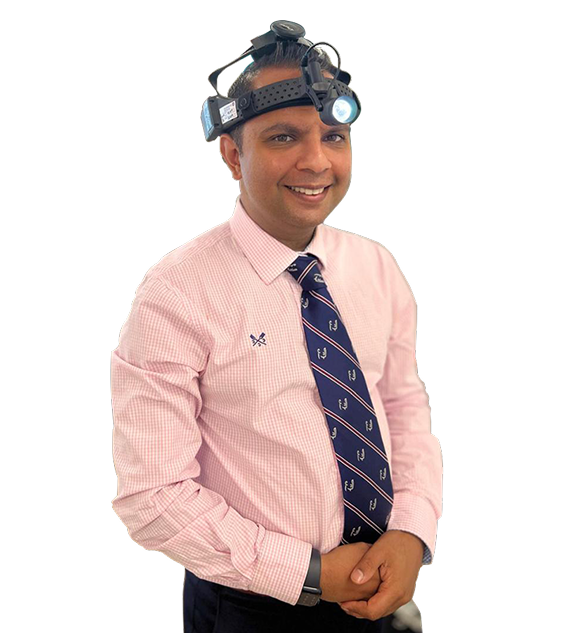
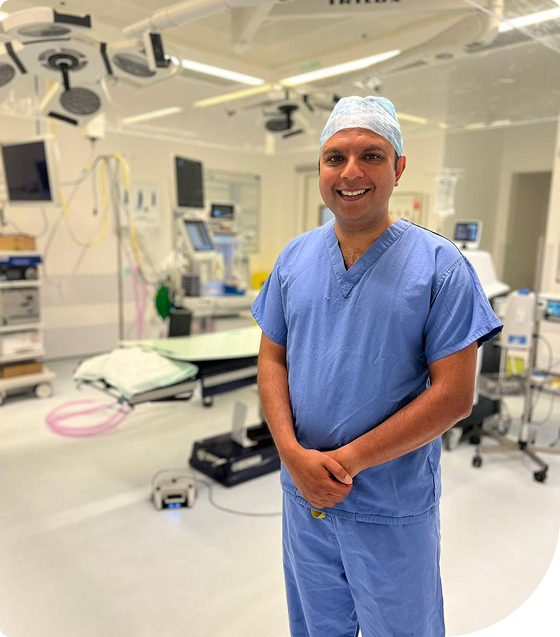
As a Consultant ENT Surgeon, Nose and Sinus Disease Specialist I specialise in diagnosing and treating olfactory disorders arising from sinus disease, viral infections, head injuries, or post-surgical changes. My approach combines advanced diagnostic techniques with clear, evidence-based guidance, ensuring you feel informed, supported, and confident throughout your journey.

Expert-led care designed around you, from precise diagnosis to complete recovery.


Testimonials

What Patients Say

Every patient’s story is unique, and it’s a privilege to be part of your journey toward better breathing and comfort. The trust my patients place in me is something I value deeply, and I aim to honour it through clear communication, careful diagnosis, and genuine care.

FAQ’s

Frequently Asked Questions on Smell Disorder Treatment

Have questions about smell and taste disorders? 

You’re not alone! Here are clear, expert answers to the most common queries I receive in my clinics.

Early signs of smell disorders include reduced ability to detect scents, distorted smells, or complete loss of smell. If these symptoms last longer than two weeks, consult an ENT specialist for a professional assessment and early treatment.

Recovery after blocked nose treatment usually takes a few days to two weeks, depending on the method used. Minimally invasive procedures have minimal downtime, while surgical treatments such as septoplasty may require short rest before returning to normal activity.
If you are still unsure which option is right for you, then book an appointment with me to understand your treatment better.

Recovery after blocked nose treatment usually takes a few days to two weeks, depending on the method used. Minimally invasive procedures have minimal downtime, while surgical treatments such as septoplasty may require short rest before returning to normal activity.
If you are still unsure which option is right for you, then book an appointment with me to understand your treatment better.

Recovery after blocked nose treatment usually takes a few days to two weeks, depending on the method used. Minimally invasive procedures have minimal downtime, while surgical treatments such as septoplasty may require short rest before returning to normal activity.
If you are still unsure which option is right for you, then book an appointment with me to understand your treatment better.

Recovery after blocked nose treatment usually takes a few days to two weeks, depending on the method used. Minimally invasive procedures have minimal downtime, while surgical treatments such as septoplasty may require short rest before returning to normal activity.
If you are still unsure which option is right for you, then book an appointment with me to understand your treatment better.

Book Appointment

Ready to Regain Your Sense of Smell?

Awesome Image

Book your private ENT consultation in London today and receive tailored care designed for clarity, comfort, and long-term relief.

    WORKED WITH

    Recognised by Major Insurers

    Whether you’re insured or self-funding, accessing private ENT care should feel simple and stress-free. I’m recognised by all leading UK insurers, and my team is always happy to guide you through your options before booking.